Random Theory Font: A Stylish Typeface for Makers and Sellers
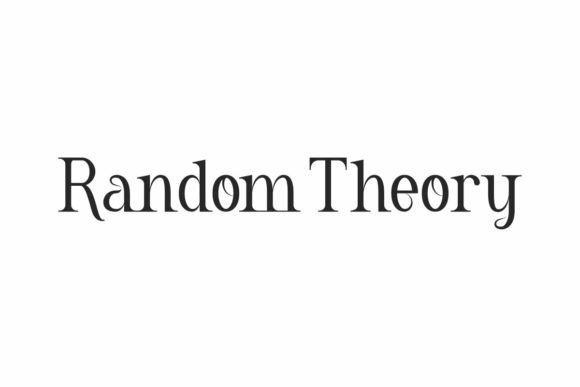
There’s something magical about the right font. It doesn’t just sit on a label or a greeting card—it breathes life into your creations, adding personality and flair that can make all the difference in how your products are perceived. I recently discovered Random Theory, a stylish serif font with delicate curly lines on some of its characters, and it has quickly become a favorite in my design toolkit. Whether you're preparing candle labels, crafting wedding invitations, or designing digital printables, this typeface brings a touch of elegance and charm to every project.
A Maker's First Encounter with Random Theory
I was working on a new batch of seasonal candles for my shop when I stumbled upon Random Theory. The base of each candle needed a label that felt both premium and inviting. My usual fonts were either too plain or too ornate, but Random Theory struck the perfect balance. Its serif structure gives it a classic foundation, while the subtle curls and flourishes add a modern twist. It’s like a vintage book title given a fresh coat of paint—timeless yet trendy.
As I adjusted the text on my mockup, the font immediately caught attention. It didn’t scream for notice; instead, it whispered sophistication. That’s what I love about it—it enhances without overwhelming. The moment I printed the first label, I knew it would elevate the entire product line.
Bringing Brand Consistency to Handmade Products
For handmade sellers, brand consistency is key. You want your customers to recognize your style at a glance, whether they’re scrolling through your Etsy listings or walking past your boutique. Random Theory helps build that visual identity. When used across product tags, packaging, and digital assets, it creates a cohesive look that feels intentional and refined.
Let’s say you’re designing tote bags with inspirational quotes. Random Theory works beautifully for short, impactful phrases. Its unique character shapes and decorative elements make the text feel more personal and artistic. But be careful—if you use it for long paragraphs, the curls might distract from readability. This is where knowing the font’s strengths comes in handy.
Creative Uses Across the Shop
The versatility of Random Theory makes it ideal for a range of creative projects. Here are a few real-life examples of how it can come to life:
- Candle Labels: Perfect for minimalist yet elegant designs. Pair it with a muted background and gold foil accents for a luxurious finish.
- Greeting Cards: Use it for titles or signatures. The flourishes add warmth and creativity, making your cards stand out in a crowded market.
- Wedding Invitations: Ideal for names and headings. The subtle curls give it a romantic and romantic vibe without being overly fussy.
- Planner Pages: Great for headers or decorative notes. Just don’t overuse it—keep it for special sections to maintain clarity.
- Printable Wall Art: The font’s personality shines here. It looks especially striking in monochrome prints or layered with watercolor textures.
- Boutique Packaging: Elevate your product wraps by using Random Theory for custom gift tags or box labels.
- Seasonal Designs: From holiday tags to farmhouse-style signs, this font adds charm and a handcrafted feel to any theme.
Designing with Cutting Machines
If you're a Cricut or Silhouette user, you’ll appreciate how well Random Theory performs on cutting machines. The strokes are clean enough for small stickers, and the decorative elements hold up impressively on vinyl or heat transfer materials. I’ve used it for holiday ornament tags and seasonal drink coasters, and each time the results have been crisp and clear.
Here are a few tips for using Random Theory effectively with cutters:
- Stick to uppercase or title case for better visibility, especially in smaller sizes.
- Test the font on your machine before printing large batches. Some letters may require slight adjustments due to their intricate details.
- Use high-quality materials for intricate cuts. Thicker vinyl or printable iron-on tends to work best.
Font Pairing Ideas for a Balanced Design
While Random Theory is beautiful on its own, pairing it with other fonts can enhance your overall design. For a balanced look, consider these combinations:
- With a Clean Sans Serif: Think Montserrat or Lato for a modern contrast. This works great for product descriptions or pricing on cards and tags.
- With a Simple Serif: Something like Georgia or Playfair Display complements Random Theory’s complexity while keeping things grounded.
- With a Script Font: If you want to lean into the whimsical side, pair it with a soft script like Allura or Great Vibes for an extra layer of romance.
- With a Bold Display Font: For high-impact branding, use a strong sans serif such as Bebas Neue alongside Random Theory to create hierarchy and emphasis.
Pairing fonts isn't about matching everything perfectly—it's about creating a visual rhythm that guides the eye and supports your message. With Random Theory, the goal is to let its character shine while ensuring the rest of your design remains legible and purposeful.
Readability and Application Tips
When applying Random Theory to physical items, always test it in context. For example, if you're using it for mug stencils, try it on a mockup image before finalizing your design. You'll see how the font interacts with curved surfaces and different lighting angles. On shirts or tote bags, keep the text size generous and avoid placing it near busy patterns unless you're going for a bold, artistic look.
For digital downloads, ensure the font is embedded correctly in PDFs or included as a web font if selling online templates. Also, remember that not all styles may include full sets of alternates or ligatures, so double-check the included glyphs to match your design needs. And if you plan to sell merchandise or printables commercially, confirm that the license allows for such use. Many premium fonts offer commercial licenses, but it's important to read the fine print to protect your business and stay compliant.
Creating Emotional Appeal Through Typography
Typography plays a powerful role in how people connect with your products. Random Theory, with its blend of traditional serifs and playful flourishes, evokes a sense of artistry and care. It’s not just a font—it’s a storytelling tool. When I use it for a personalized invitation or a boutique tag, it communicates that the item is made with intention and love.
This emotional appeal is particularly effective in niches like stationery design, boutique branding, and seasonal crafts. The font invites curiosity and engagement, encouraging customers to pause and take a closer look. In a world where first impressions matter, having a typeface that feels both authentic and visually appealing can set your products apart.
Practical Mockup Moments
One of my favorite uses for Random Theory was during a fall-themed printable wall art series. I wanted to create cozy, rustic designs with a touch of whimsy. By using the font for titles and centerpieces, I gave each piece a hand-lettered feel without needing to manually draw anything. The result? A collection that felt curated and crafted, just like the rest of my shop.
Another memorable project was testing sticker sheets for baby shower gifts. The font worked surprisingly well for small text, especially when paired with simple illustrations. It added a softness and elegance that matched the gentle aesthetic of the event. Customers loved the subtle yet distinctive style.
Why Choose Random Theory for Your Next Project?
Random Theory isn’t just another pretty font. It’s a versatile serif typeface that adapts to a wide range of handmade and digital applications. From editorial design to web graphics, it brings a unique charm that feels both classic and contemporary. It’s the kind of font that can evolve with your brand—whether you're starting out or looking to refresh your offerings.
What I also appreciate is that it’s a premium font, which means it includes various weights, file formats, and often multilingual support. These features are essential when designing for international markets or diverse customer bases. Plus, with thoughtful alternates and swashes, there’s room for customization without compromising quality.
Final Thoughts on Typography and Craft
In the world of handmade goods and digital printables, typography can make or break a design. It’s one of those quiet details that speak volumes. Random Theory offers a perfect mix of style and functionality for makers who want to express their creativity while maintaining professionalism. Whether you're designing a boutique logo, a birthday card layout, or a seasonal sign, this font is sure to bring a little extra magic to your craft.
So next time you’re sitting at your desk, prepping your latest creation, consider reaching for Random Theory. Let it guide your design, inspire your brand, and help your products tell a story worth remembering.